
#WellnessSolutions #HealthConsultant #PharmaConsulting #HealthSupport
Composed by Anuchit Thepsee JIU Wellness Co., Ltd
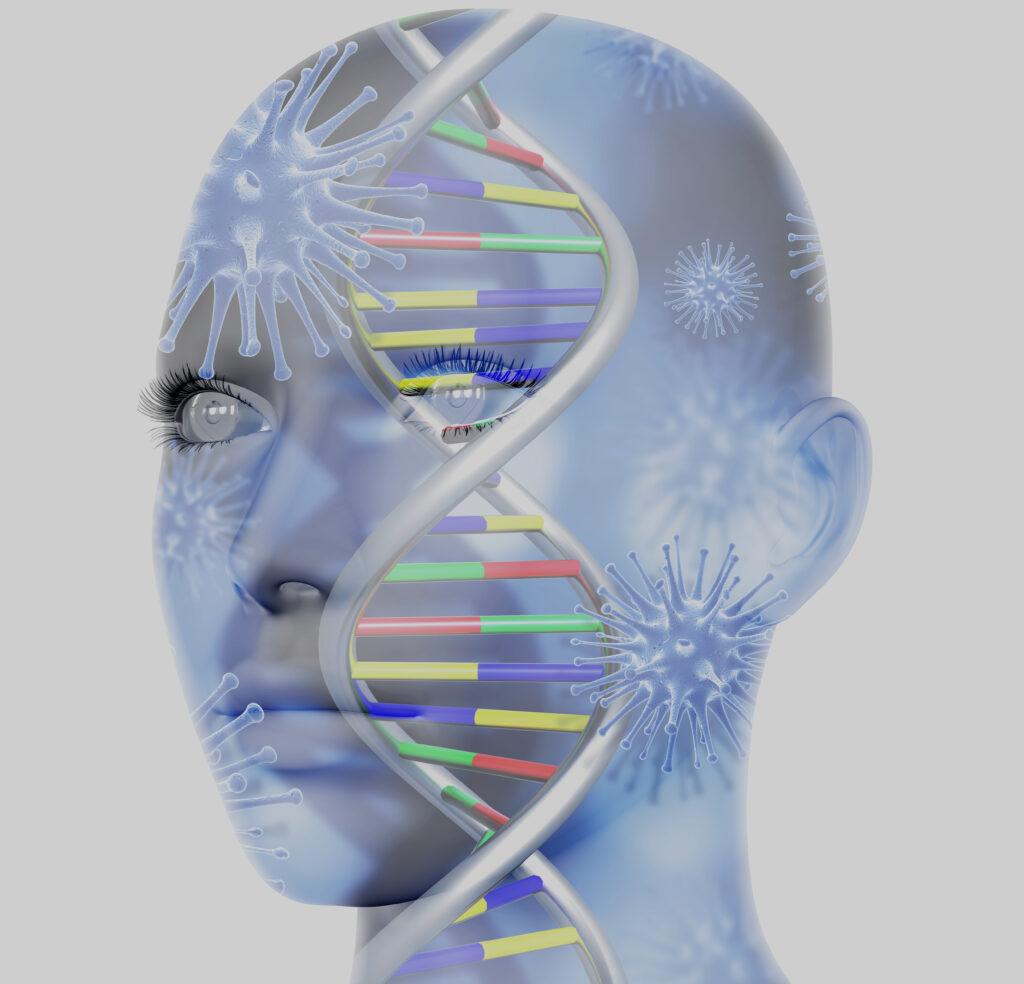
Credit picture: Designed by Freepik
Do You Know Your Biological Age?
Why It Matters Even Though We Already Have a Chronological Age
Most people are familiar with the concept of age as the number of years we have lived, known as Chronological Age. It simply reflects the time passed since birth.
However, modern health science introduces another important concept called Biological Age.
Biological age refers to how well or poorly your body is functioning at the cellular and physiological level, which may be younger or older than your chronological age. For example:
- A 40-year-old person may have a biological age of 32 due to a healthy lifestyle.
- Another person aged 35 may have a biological age of 45 due to chronic stress, poor sleep, or unhealthy habits.
In simple terms:
Chronological age tells time, but biological age reflects health quality.
Why Biological Age is vital!
Recent research in Longevity Science suggests that biological age can be a stronger indicator of chronic disease risk than chronological age. It is closely associated with processes such as:
- Cellular inflammation
- Mitochondrial function
- Telomere length
- Hormonal balance
- Metabolic health
When biological age exceeds chronological age, the body may be experiencing accelerated aging.
The Good News: Biological Age Can Change
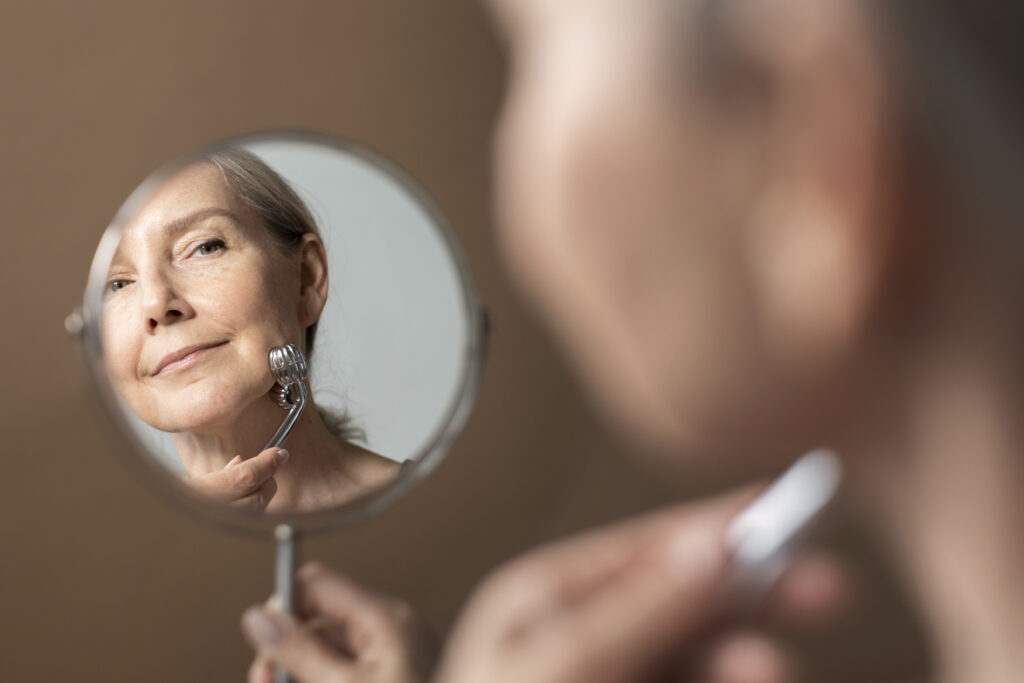
Unlike chronological age, biological age can be influenced and improved through lifestyle choices.
Key factors include:
- Balanced nutrition rich in antioxidants
- Regular physical activity
- Quality sleep
- Stress management
- Preventive and personalized healthcare
By improving these areas, individuals may slow down aging at the cellular level.
Healthy Aging Is Not Just Living Longer
The concept of biological age shifts our perspective on health.
The goal is not only longevity, but also vitality and quality of life throughout the years.
Taking care of your body today may allow your body to remain biologically younger than your actual age.
Because while time moves forward, aging does not have to accelerate with it.
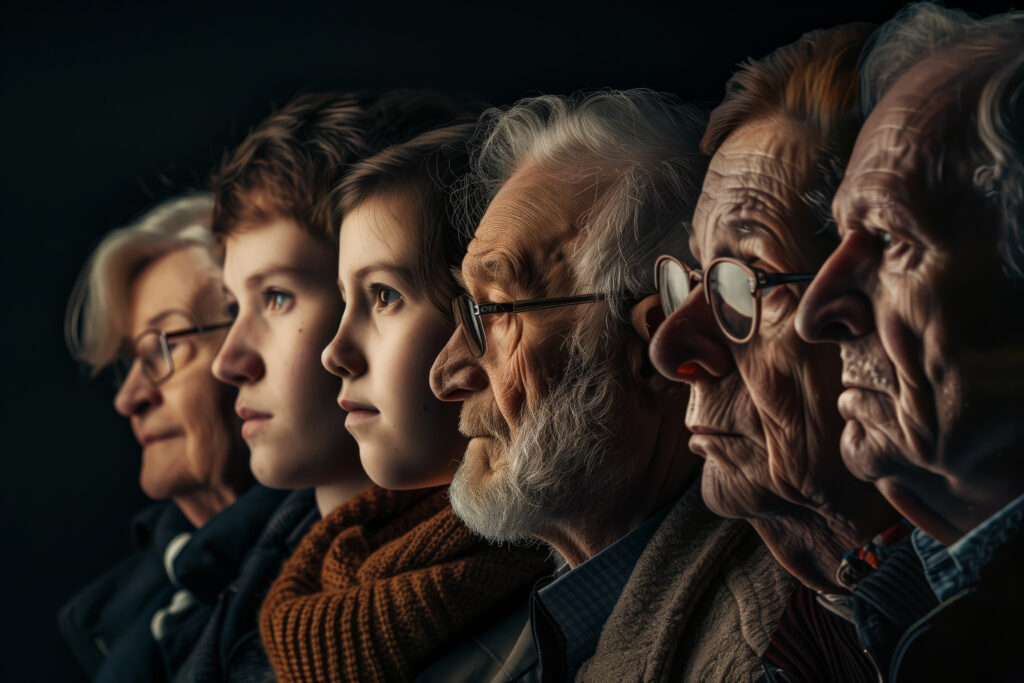
What is Biological Age and why does it matter? Learn the difference between chronological age and biological age, and discover science-based strategies for healthy aging and longevity by JiU Wellness.
JiU Wellness
Wellness begins with how you understand your body well enough.
- Levine ME. (2018). An epigenetic biomarker of aging. Aging.
- Jylhävä J, Pedersen NL, Hägg S. (2017). Biological Age Predictors. EBioMedicine.
- Kennedy BK et al. (2014). Geroscience: linking aging to chronic disease. Cell.