
#HerbalTea #TeaForWellness #HealthBenefitsOfTea #TeaLover#HolisticHealth
Composed by Anuchit Thepsee JIU Wellness Co., Ltd
Credit Picture: Designed by Freepik
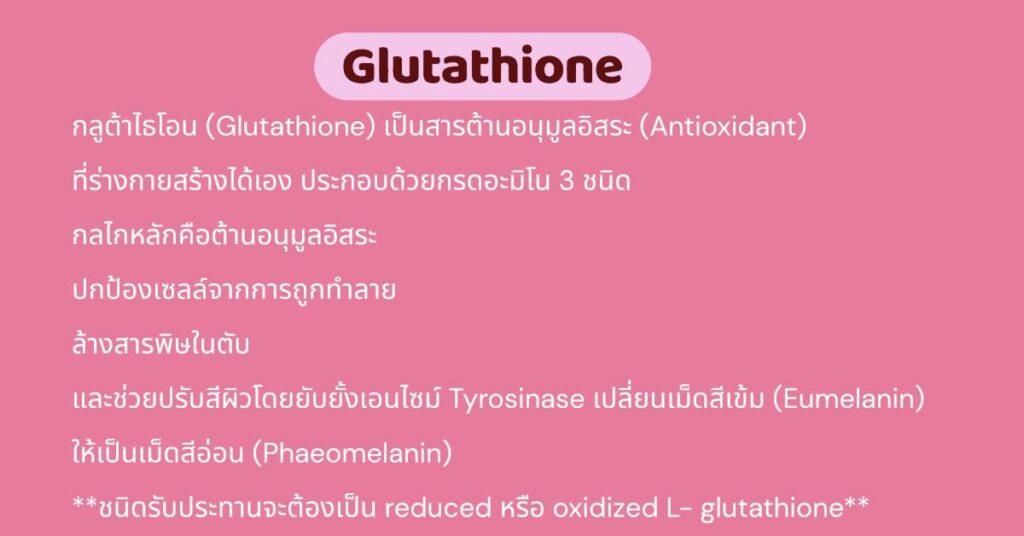
In the era where “detox” has become a dominant health trend, one of the most talked-about compounds is glutathione (GSH). It is widely marketed as a powerful liver detoxifier and antioxidant. But the key question remains: how does it actually work, and how effective is it in liver detoxification?
What is Glutathione?
Glutathione (GSH) is a naturally occurring tripeptide composed of cysteine, glycine, and glutamate. It is synthesized within the body and found in high concentrations in the liver, the primary organ responsible for detoxification.
Key Properties
- Acts as the body’s master antioxidant
- Plays a central role in Phase II detoxification
- Protects hepatocytes from oxidative stress and cellular damage
🔬 Mechanism of Action in Detoxificatio
Glutathione plays a crucial role in Phase II liver detoxification, which involves converting toxic substances into safer, excretable forms.
1. Conjugation of Toxins
- Glutathione binds to toxins via the enzyme glutathione-S-transferase (GST)
- This process transforms fat-soluble toxins into water-soluble compounds
- These compounds can then be excreted through bile or urine
2. Reduction of Oxidative Stress
- Neutralizes reactive oxygen species (ROS)
- Prevents lipid peroxidation and cellular injury
- Reduces inflammation in liver tissue
3. Regulation of Cellular Signaling
- Maintains redox balance (GSH/GSSG ratio)
- Influences pathways such as NF-κB and cytokine signaling
Imbalance is associated with progression of liver diseases
Why is Glutathione Used for Liver Detoxification?
- The liver relies heavily on glutathione as a primary detox molecule
- Decreased GSH levels are associated with liver disorders such as NAFLD (Non-Alcoholic Fatty Liver Disease)
- Supplementation may help restore redox homeostasis and detox capacity
Who Should Consider Supplementation
- Individuals with fatty liver (NAFLD/NASH)
- People who consume alcohol regularly
- Those exposed to toxins or long-term medications
- Individuals with high oxidative stress (e.g., diabetes, metabolic syndrome)

Glutathione and Fatty Liver Disease
❗ Key Insight: Glutathione may help, but it is not a primary treatment.
Scientific Evidence
- Oral glutathione at 300 mg/day has been shown to reduce ALT levels and lipid markers in NAFLD patients
- It reduces oxidative stress markers and may slow progression to NASH
- Mechanistically, GST activity contributes to reducing hepatic fat accumulation
👉 Summary:
- Helps reduce inflammation and oxidative stress
- Supports liver function
- However, it cannot replace lifestyle interventions such as weight loss and dietary control
Comparison: Liver Detoxification vs Fatty Liver Treatment
| Aspect | Liver Detoxification | Fatty Liver Treatment |
| Main Goal | Eliminate toxins | Reduce fat accumulation |
| Role of GSH | Primary | Supportive |
| Outcome | Reduced toxin burden | Reduced inflammation & fat |
Recommended Dosage
- Clinical studies typically use 300–500 mg/day
Important Note:
- Must be Reduced Glutathione (GSH)
- Avoid oxidized forms (GSSG), which are less bioactive
Important Considerations
- Oral bioavailability of glutathione remains under scientific discussion
- Best results are achieved when combined with healthy lifestyle practices
- Product quality is critical — choose high-standard manufacturing sources (e.g., Japan)
🔚 Conclusion
Glutathione is a central molecule in liver detoxification at the biochemical level, playing dual roles in toxin conjugation and antioxidant defense. However:
- It is not a miracle detox cure
- It works best as a supportive therapy, especially in fatty liver conditions
- Choosing the correct form (reduced glutathione) and a high-quality source is essential
📚 References
Jin Y et al. (2022) – GST and hepatic steatosis mechanisms
Nguyen MT et al. (2025) – Glutathione therapy in NAFLD
Wei Q et al. (2025) – Glutathione in liver disease RCT
Honda Y et al. (2017) – Oral glutathione NAFLD trial
Irie M et al. (2016) – Oxidative stress reduction in NASH
#Glutathione #LiverDetox #FattyLiver #NAFLD #NASH #Antioxidant #ReducedGlutathione #LiverHealth #Detoxification #WellnessScience #อาหารเสริม #กลูต้าไธโอน #ล้างพิษตับ #ไขมันพอกตับ #jiuwellness #jamesnourisher #จิวเวลเนสส #glutaradianaglow